
Applications
How Hydrogels make Solar Cells 12% more Efficient

Sinan Gölhan
Founder & CEO at GelTech Labs
Solar cells are temperature-limited devices.
For crystalline silicon panels, every 1 °C increase cuts power output by ~0.45%. On hot days, panels routinely operate 20+ °C above optimal, silently losing a significant fraction of their potential output.
That’s the problem.
Here’s the solution 👇
🧪 How hydrogel cooling works
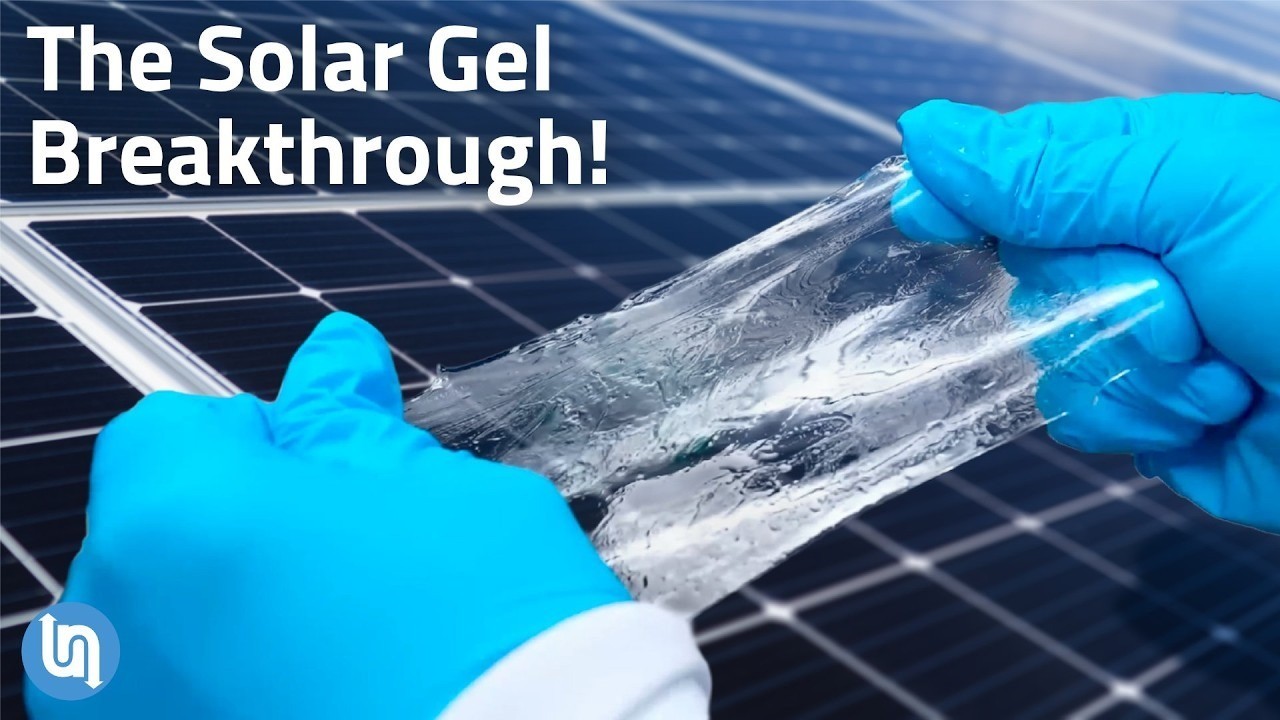
Hydrogels are polymer networks engineered to retain large amounts of water.
When integrated onto or behind a solar panel:
• The hydrogel absorbs moisture from the air, typically overnight
• As the panel heats under sunlight, that water evaporates
• Evaporation pulls heat directly from the panel surface
No electricity.
No moving parts.
No added system complexity.
Just passive thermodynamics.
⚡ What the data shows
Recent outdoor prototype studies report:
• 23 °C reduction in operating temperature
• 12.3% increase in electrical power output
• Reduced thermal cycling, a major driver of long-term panel degradation
At scale, a 12% gain is equivalent to deploying 12% more solar capacity without installing a single additional panel.
🌍 Why this matters
Hydrogel cooling doesn’t replace solar technology — it amplifies what we already have.
• Higher real-world energy yield
• Passive, low-maintenance operation
• Longer module lifetime
• Meaningful climate impact per installed watt
📍 Where the field is today
The physics is proven. The work now is engineering and scale:
• Designing hydrogels that survive years outdoors
• Tuning formulations for different climates and humidity profiles
• Integrating coatings into standard PV manufacturing
• Validating long-term ROI through field deployments
This is what real progress in climate tech looks like:
smart materials unlocking hidden performance at massive scale.